
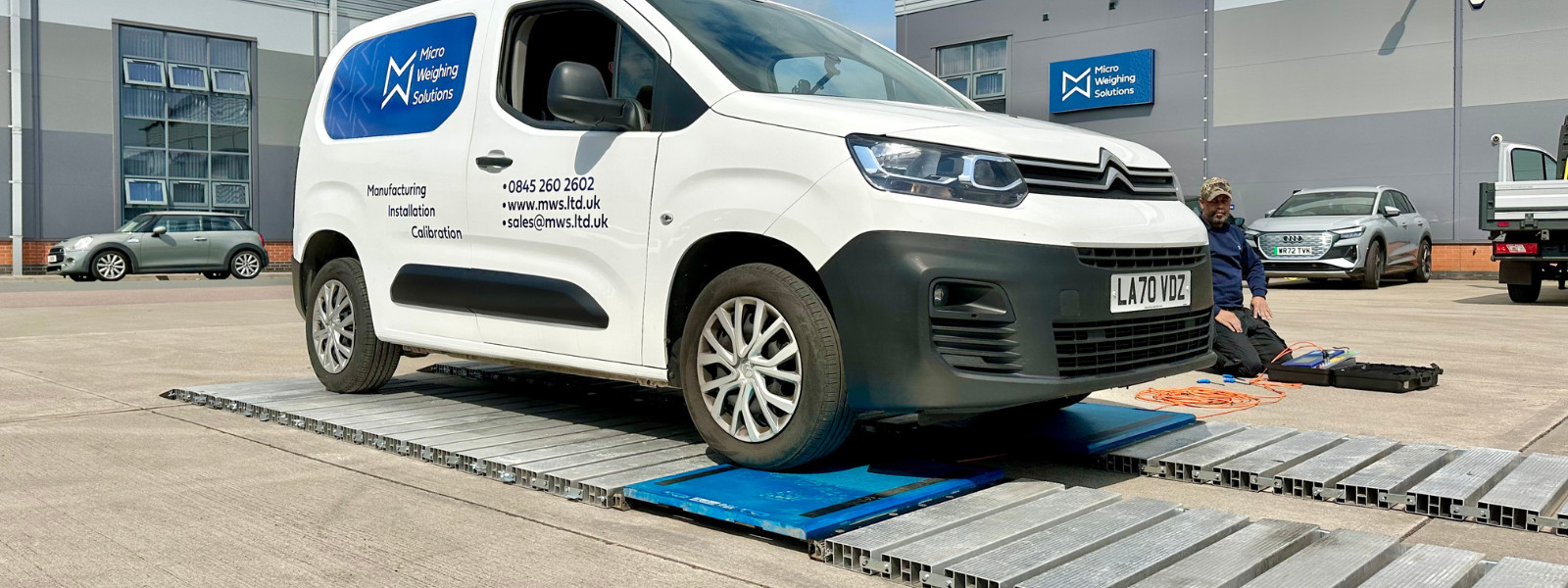
When permanent weighbridge installation isn't an option, portable weigh pads offer an excellent solution for mobile vehicle weighing applications. From ensuring compliance with axle weight regulations to conducting on-site weight checks, selecting the right weigh pads requires careful consideration of several factors.
Key Selection Criteria
Pad profile and design height
The profile height of your weigh pads significantly impacts operational efficiency. Pads that are too high can create positioning errors and potential driver overshooting. Additionally, high-profile designs often necessitate supplementary ramps and levelling equipment, increasing your total investment cost.
On the other end, low-profile options may appear attractive but often signal inferior construction quality. These budget alternatives typically feature compromised internal components that fail under regular heavy-duty use, resulting in frequent replacements and higher long-term costs. Professional-grade pads achieve optimal balance between accessibility and structural integrity.
Load capacity specifications
Select weigh pads with capacity ratings that exceed your maximum vehicle weights. This serves dual purposes: preventing dangerous overloads and ensuring extended operational life. Consistently operating near maximum capacity degrades accuracy and reduces equipment longevity. Incorporating adequate safety margins protects both performance standards and operational safety.
Construction materials
Material selection directly impacts durability and portability. Premium weigh pads utilise high-strength aluminium alloys, delivering superior strength-to-weight ratios essential for professional applications. This construction withstands repeated heavy use while maintaining portability for mobile operations. Avoid systems using standard metals or composite plastics, which exhibit flex characteristics and deterioration over extended use periods.
Environmental Protection Standards
Outdoor weighing environments require robust protection against weather elements. Look for weigh pads that have a minimum IP68 rating, which protects against dust and water. This helps extend the equipment lifespan and maintain consistent accuracy regardless of operating conditions.
Mobility and transport features
Integrated transport wheels on weigh pads are key for improving operational efficiency. Built-in mobility features eliminate manual lifting requirements and accelerate pad positioning.
Connectivity options: wired vs wireless
While both connectivity methods are good options, wireless configurations have become the preferred choice in recent years. Wireless systems eliminate cable-related hazards and damage risks while improving site safety and system reliability. That said, wired weigh pads are a good option for for budget-conscious applications where weighing locations remain static and protected.
Terminal system capabilities
To get the most from your weighin application, weigh pad terminals should incorporate:
- Intuitive touchscreen interfaces
- Immediate printing functionality
- Customisable vehicle databases
- Seamless data export and system integration capabilities
Maintenance and service
Long-term operational costs depend on how easily the weigh pads can be serviced. Check whether the load cells can be replaced without returning the pads to the manufacturer. Selecting service-friendly designs minimises operational downtime and reduces lifetime maintenance expenses.
Supplier Selection Considerations
When sourcing weigh pads, prioritise suppliers offering European-manufactured systems designed for demanding operational environments. Look for companies that provide comprehensive support including experienced service teams, calibration services, and ongoing technical assistance. Your supplier should offer consultation services to ensure you get the right pads for the job, and provide reliable post-purchase support throughout the equipment lifecycle.
Investing in professional-grade weigh pads backed by experienced technical support ensures reliable performance, regulatory compliance, and long-term operational value.